How to Lose Weight Post-Pregnancy: Tips for New Moms
You’re probably here because you’ve recently given birth and would like to lose the baby weight safely and effectively. Stay with me! This guide was designed with you in mind, taking into account the unique circumstances you face after pregnancy: the need to return to a healthy lose belly fat after pregnancy to support your growing family; body composition changes you’ve already seen and anticipate in the future; psychological shifts that help or hinder you; and potential hormonal ups and downs that come with childbirth and lactation. Nobody expects you to fast track the pounds postpartum or snap back to your pre-pregnant weight with postpartum fitness programs. In fact, healthy post-pregnancy weight loss is slow and steady, with postpartum weight loss of 1 lb to 2 lbs per week as a safe and realistic goal. This is not only a safe amount of weight to lose for a postpartum woman, but is also doable without a calorie deficit so great that it affects her milk supply.
You may have noticed that the phrase “body positivity after pregnancy” has come up a few times. For many women, 9 months is not quite enough time to get back to their “pre-pregnant” state, and that’s fine. Cutting yourself some slack and realizing that having a body that grew and nourished a baby is a wonderful accomplishment in and of itself is what the Body Positivity Movement in motherhood is all about. Equip yourself with the information and knowledge you require to tackle post-pregnancy weight loss with a positive attitude and healthy outlook, and make safe, gradual improvements in your postpartum fitness routine and eating habits during this delicate period. Let’s face it: a healthy lose belly fat after pregnancy isn’t simply about having a slim, healthy physique. With new responsibilities of motherhood, you desire to be in the best shape ever. Loss of weight, ideally through a balanced meal plan and routine postpartum fitness exercise, is part of becoming one with it. Loss of weight will require patience and time, and a little bit of trial and error till you have a meal plan that works for you, with a proper balance between cost, calories, macros, micros, and preparation.
How to Comprehend Post-Pregnancy Loss of Weight?
Post-pregnancy loss of weight, or postpartum weight loss, is simply a matter of shedding all the weight that women gain during pregnancy years. On one level, lose belly fat after pregnancy is supposed to build up in order to supply nutrition to the baby in the womb. The organisms in the body play a part in expanding various areas of the body to cope with the baby growing in the womb and to provide nourishment for the child’s fitness-related post-pregnancy weight loss. There are quite a few factors that contribute to the management of body weight loss for new moms after delivery, and some of the main factors include hormonal imbalances and insufficiencies that a woman often experiences during the time when pregnancy progresses. Another factor is the natural course of breastfeeding, as well as the reduction of metabolism that returns to a normal state once all the stages of pregnancy are completed and the birth has occurred, along with the placenta being expelled. These factors are likely to contribute to the management of body weight, and as one can see, there are many people who are quite regular in adjusting and adapting to the natural course of things. Sooner or later, the postpartum weight loss goal after delivery is bound to be achieved, a goal that is often triggered by motivation and persistence among individuals. The weight that a woman tends to gain during pregnancy can depend on her initial lose belly fat after pregnancy and can vary from person to person. Although women often wish to return to their pre-pregnancy figure as soon as possible, gestation, delivery, and recovery are individual processes that differ from one woman to another. It is important to appreciate that what is publicized in magazines and on TV is often a false representation of postpartum recovery; some women need months and sometimes a year to recover and see a significant drop in their weight post-pregnancy. Our aim is to guide the reader through the science behind the changes that occur in the body. Providing them with a target to aim for is not something limited to our requirements, but having scientific information at their disposal.
What are New Mom Diet Tips?
Meal planning and preparation provide parents with new moms with additional time in their days. It can thereafter enable them to have more nutrient-dense foods accessible during the day and can promote healthy eating habits when their family expands in the future. This is because young kids learn through examples.
Include nutritional support for post-delivery and breastfeeding.
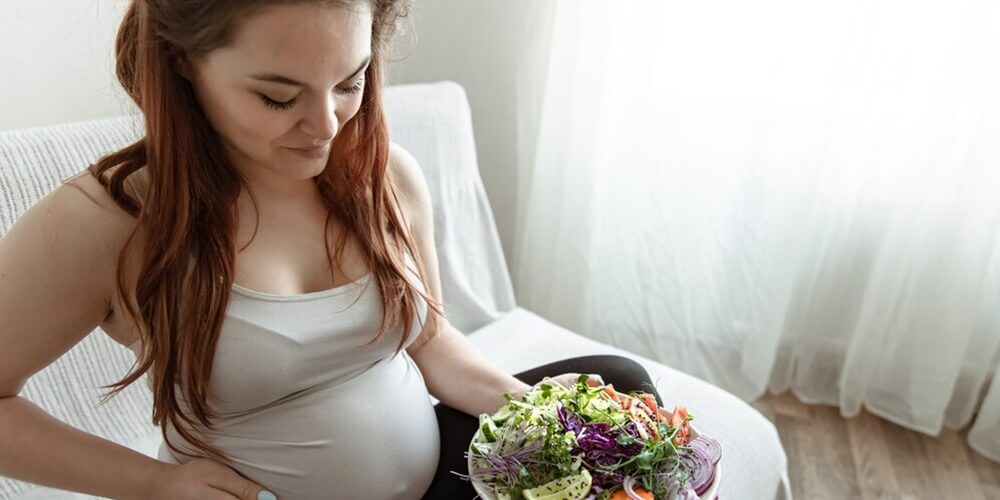
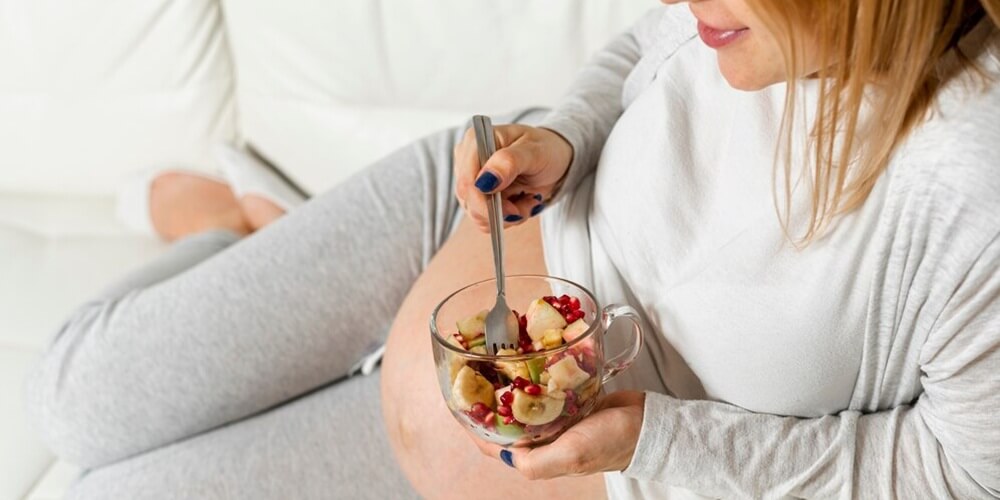
Eat a variety of foods and drinks full of vitamins and minerals, including fruits, vegetables, nuts, seeds, fortified breakfast cereals, whole grain foods, lean proteins, and low-or non-fat dairies.
What foods a new mom and baby consume during breastfeeding will not only serve them but will also act as an exemplary behavior for a child.
Instead of getting hyper about counting, weighing, etc., try selecting a mechanism for reducing portion sizes. An example of this for snacks and meals is to use smaller plates and bowls.
Aim for a balanced variety and a ‘whole foods first’ approach. This means emphasizing fruits, vegetables, lean protein, and whole-grain items. These options can promote satiety as well as overall health while providing necessary nutrients.
Give yourself time to eat. Feeding others or taking care of yourself takes minutes, but try not to skimp on time for yourself while eating.
Whether as part of a goal to focus on health, hunger, satisfaction, or all three, be mindful when eating. This can prevent overeating in addition to supporting mental health.
Have snacks available that are easily transportable and shelf-stable to boost energy between meals.
Search for recipes that are quick to make and can feed the whole family. Dinner and often lunch are food for mom and baby alike if breastfeeding.
What are the Postpartum Fitness and Exercise Recommendations?
Consult your healthcare provider before beginning any postpartum fitness routine following childbirth. In the early days and weeks after delivery, focus on rest and a gradual return to physical activity. Different practitioners may recommend different guidelines for resuming exercise, so it’s best to wait until postnatal check-ups to obtain specific recommendations. Some encourage light exercise from day one postpartum, while others may recommend a waiting period of six to eight weeks. Listen to your own body and your care provider. Once you can, start with a little activity, and build intensity and frequency according to your capabilities, with care not to overdo it.
Target a mix of cardiovascular exercise and strengthening, which can build muscle tone and healthy post-pregnancy weight loss. Begin cautiously and build activity in stages. Even a little exercise a number of times a day can have a cumulative effect towards a healthier, fitter person. Combining exercise with baby-related activity such as a stroll with a baby in a stroller, baby-wearing exercise, and postpartum exercising can make exercising easier to work into a hectic day, and allow mothers and baby’s caregivers to spend time with baby in the process. Plan to start with as much activity as is comfortable, and build level and intensity over a period of healing for your body. Setting a specific goal can be a successful strategy for enhancing exercise’s effectiveness and consistency. Ideal fitness goals must be specific, measurable, achievable, relevant, and timely. Having a specific, measurable target can be a strong tool for developing a balanced, health-supportive postpartum fitness routine. To illustrate, a “once the baby is asleep, exercise” intention can be useful, but a goal such as “take a post-dinner stroll Monday, Wednesday, and Friday” would be even better. Mark down each session to celebrate success and reward motivation.
What are Mental Health and Self-Care Strategies?
The final aspect of postpartum weight loss that is crucial to consider is mental health and self-care. New mothers are particularly prone to feelings of stress and anxiety, especially regarding their new role as parents and the changes that childbearing has brought to their lives, including their weight status. They may also experience body image issues as well as much external pressure to regain their pre-pregnancy body. All of these can be emotionally challenging and frustrating to deal with. “Mom guilt” or shame related to body weight in new mothers can be particularly detrimental to mental and emotional health. Every woman has different comfort levels of lose belly fat after pregnancy and different thresholds for when weight has become a serious enough problem to address. Considering everything that comes with new motherhood, focusing more on health and less on pounds and BMI might be a way to help with the guilt or shame.
It might be beneficial for new mom diet tips to limit exposure to information that might trigger unnecessary anxiety or insecurity. While seeking professional or group support or counseling, a consistent mindfulness exercise regime may help calm a postpartum mind, body, and spirit in preparation for change. Helping with reliable child care to get proper rest is a sure-fire boost when helping get started in an exercise program. Mothers should strive to create a positive, nurturing environment for both themselves and their families. One valuable postpartum fitness exercise that a new mother can take up right away is to simply be gentle on herself and committed to a reasonable time frame for change. Setbacks are frequently common and should not result in resorting to self-criticism or pity parties, as devastating to new intentions as stepping on the scale. The beginning of a positive and healthy mental outlook on weight loss for new moms can ease the mindset if a new mom should decide to pursue anything more formal regarding weight loss strategies. Overall success in reaching physical health goals, whether to lose baby weight or simply to achieve a better state of health, means fostering a holistic view where overall mental, emotional, and physical health are intertwined.
We have reviewed evidence-based research and provided numerous strategies that can help new moms lose post-pregnancy weight in an effective manner. While a woman’s post-pregnancy body weight and composition can be distressful, it is important to remember that to achieve full weight loss for new moms success, the other components of being (mental health, desire for change, internal personal motivation, and time/money management) need to be explored and cultivated. Deciding and going through with large lifestyle changes, such as dietary and postpartum fitness exercise habits to lose belly fat after pregnancy, need to be respected from a mental and physiological viewpoint. Becoming a new mom has its own set of pressures, and to achieve success in any realm, having peace and reassurance in whatever stage may be appropriate at the time is important. Each woman should seek encouragement and support from trusted medical professionals or friends and family during her weight change journey.




 English
  Deutsch
  Türkçe
  Español
  Italiano
  Français
  Português
  Português do Brasil
  Русский
  العربية